

From Forest to Finish: What Responsible Wood Sourcing Really Means in 2026
In 2026, wooden décor and kitchenware will no longer be purchased only for their design or durability. Buyers and trade partners are now questioning about the verifiable source of wood. For any Wooden Home Décor and Kitchenware Exporter, the responsible sourcing of wood has become less of a marketing claim and more of a baseline expectation of its customers, which is shaped by the international regulations, traceability systems, and environmental accountability.
Let’s understand what a responsible sourcing of wood truly means, from forest permissions to export documentation.
The Shift from “Available Wood” to “Approved Wood”
About a few years back, factors like availability and cost were only considered by the manufacturers while sourcing the wood for making home décor and kitchenware products. Now in 2026, legally sourced wood is defining the value of these products as most of the importing countries and importers are now demanding for the wood that has originated only from the government-approved forests and plantations. This legal sourcing of wood is not symbolic, rather it involves forest management plans, harvesting limits, and renewal cycles that are monitored by the state authorities.
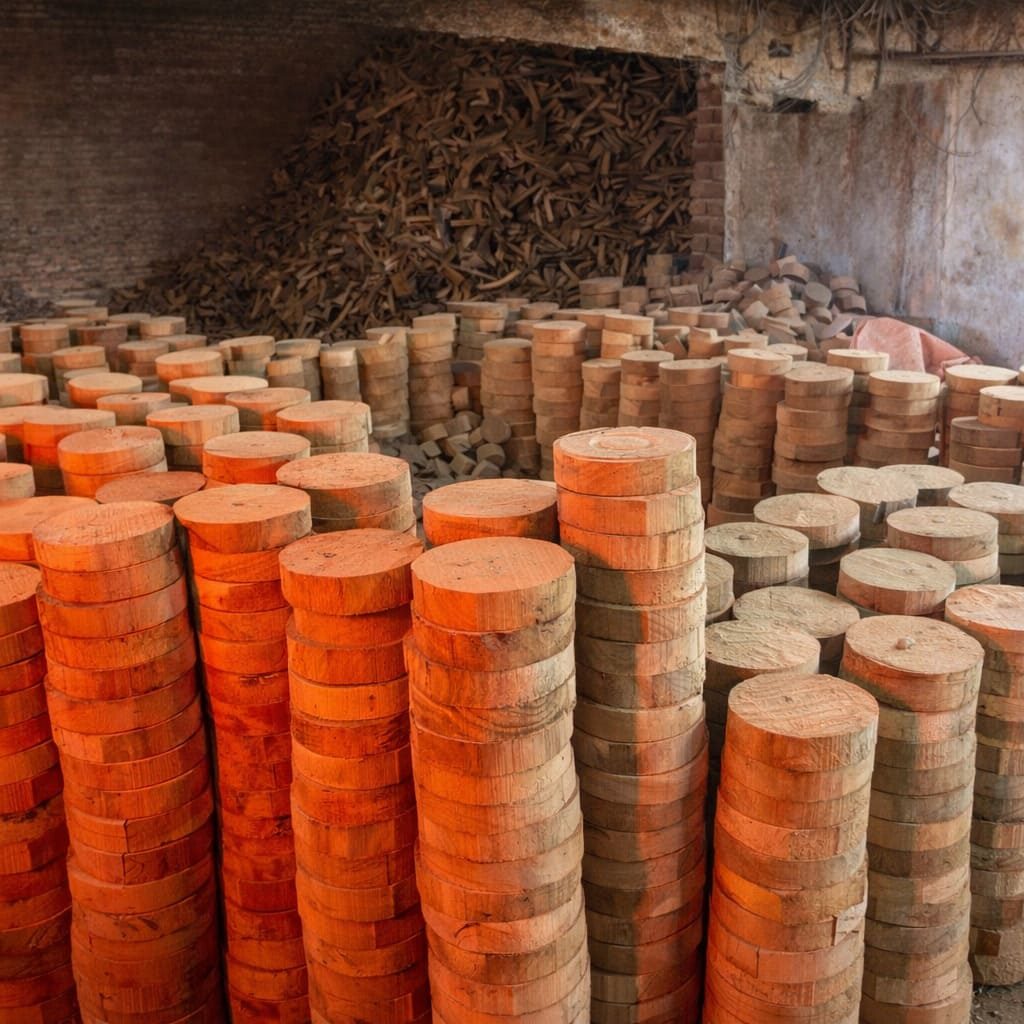
In India, an approved wood source includes:
- Transit and harvesting permits issued by the State forest department.
- Private plantations that are approved by the forest department.
- Agroforestry programs that are linked to farmer co-operatives.
This legal sourcing of wood helps in protecting the natural forests while giving a timely supply of wood to exporters, which also ensures the consistency in the availability of finished products.
Traceability Is No Longer Optional
Nowadays, most of the international buyers are preferring traceable wood due to its reliability. They are increasingly demanding the details of a chain of custody from the exporters, a record of the movement and processing of wood, right from the procurement of raw timber to finished home décor or kitchenware.
The traceability record includes the details about:
- From which source the wood is procured e.g forest, plantation, or farm.
- Transportation from source to processing units e.g transport permits and transit passes.
- Details about the sawmill or processing unit.
For a responsible wooden home décor and kitchenware exporter, traceability details help in addressing the buyer’s need and also reducing the risk of shipment rejection at customs. For buyers, it offers confidence that products are not associated with illegal logging or deforestation.
Understanding EUDR and Why It Matters in 2026
The European Union Deforestation Regulation (EUDR) is reshaping the global trade in wooden products. In 2026, the compliance of this regulation is being actively enforced by the member countries of European Union.
EUDR requires that wood-based products entering the European Union:
- Must be proven that they are deforestation-free.
- They are procured from the land that is not converted after December 2020.
- They are supported by verifiable documentation.
Now even a non-European wooden home décor and kitchenware exporter is also affected by this regulation, as many of the global importers have started aligning their sourcing parameters with EU standards. So, the awareness of EUDR is now essential for all wooden home Décor and kitchenware exporters that are operating internationally.
Legal Sourcing Protects More Than Forests
Responsible sourcing of wood is often considered as a safety measure for the environment, but it is much more than that.
Legal sourcing of wood:
- Helps in supporting the forest-dependent communities and farmers.
- It greatly reduces the chances of shipment rejections and penalties for exporters.
- It helps in building long-term stability in trade.
- Also protects the brands and retailers from reputational damage.
It is needless to mention that legally sourced wood also tends to have the consistency of quality and moisture levels, which are the important factors for kitchenware and indoor décor.
The Role of Processing Units and Compliance
Sourcing responsibly does not end at raw material procurement. Processing units also play a critical role in compliance. Licensed sawmills, seasoning facilities, and workshops are required to maintain logs, inspections, and environmental clearances.
In 2026, many exporters rely on:
- Digitized inventory systems
- Periodic third-party audits
- Alignment with ISO and forestry-linked standards
These practices ensure that wood remains compliant throughout its transformation, not just at the point of harvest.
Transparency Is Becoming a Trade Advantage
It is worth noting that factors like traceability of wood and transparency in its procurement and processing methods are becoming a trade differentiator as buyers are now increasingly asking for the sourcing details and not just marketing slogans.Nonetheless, a wooden home Décor and kitchenware exporter armed with clear documentation, honest disclosures, and a traceable supply of wood, engages more confidently in trade discussions and uses it as leverage for garnering business.
Responsible Sourcing as a Long-Term Outlook
In 2026, responsible wood sourcing is no longer about future readiness, rather it is more about present survival in regulated markets. Exporters who invest in legality, traceability, and regulatory awareness are better positioned to adapt as rules are evolving.
For the wooden home Décor and kitchenware industry as a whole, this shift is striking a balance between the protection of forests and the reliability of wooden products. This is also helping the wood to regain its place as a sustainable material when sourced correctly.
Therefore, responsible sourcing, from forest to finish, is not just a trend, rather It is the framework within which global wood trade is now operating.
Also read: Why Indian Handcrafted Wood Is Back on Global Shelves — And This Time, It’s Different