
What Should Retailers Look for in a Wooden Kitchenware Export Partner?
The shift in consumer’s preferences towards the natural and durable products is pushing the demand for the wooden kitchenwares across the world. But when the store owners think about sourcing these items to fulfil this growing demand, then they face different issues regarding quality, sustainability, delayed supplies and documentation. For retailers, the quality of their relationship with a Wooden Kitchenware Exporter can make or break their product line. So, it is important for them to examine the following important factors before going for a long-term partnership with the exporter.
Consistency In The Product’s Quality: The Foundation of Any Retail Relationship
While sourcing from a foreign based exporter, the retailers face the challenges of irregularity in the product’s quality. For example, they may receive a perfectly designed cutting board in their first order but in the subsequent orders, the product may arrive with an uneven finish or flawed design.
Therefore, the retailers should demand for the samples from different production batches rather than assessing the product on the basis of a sample from a single batch. This will help them to observe the uniformity in the product’s quality and whether the exporter is following ISPM-15 heat-treatment rules, in which wood has been properly dried and treated before being shaped into kitchenware. This is an important aspect for the retailers because a poorly dried wood tends to warp and crack early and may damage the retailer’s image among its customers.
The retailers must also check that the wooden kitchenware exporter is following the stringent quality control practices and standardised dimensions for the product. It is needless to mention that an exporter that is following the quality control procedures with complete documentation is far more reliable to deal with.
Transparency and Sustainability While Sourcing Material
Since a growing segment of retail consumers have started focusing on the sustainability of the product while purchasing any wooden kitchenware. Therefore, they are increasingly holding the retailers accountable for the environmental practices of their suppliers.
A credible wooden kitchenware exporter should be able to clearly tell the retailers from where the wood has been sourced, which of the species are used for making the kitchenware and whether the sourced wood complies with the recognised standards such as FSC certification.
Beyond certification, the retailers must also ask about the use of food-safe finishes and oils because mineral oil, beeswax, and certain plant-based oils are generally considered safe, while chemical lacquers or unknown coatings are considered as unsafe for food contact surfaces.
Compliance with The Import Regulations and Safety Standards
This segment is specially important for the retailers in USA, EU, UK, Australia and other regulated markets, as they have to fulfil legal obligations for the products they sell. The wooden kitchenware they sell must comply with the food contact material regulations, which generally restricts the use of certain chemicals, dyes, and coatings.
Before selecting a wooden kitchenware exporter, the retailers must always verify whether the exporter understands the compliance requirements of their market. The exporter must provide test reports from the accredited laboratories and should be familiar with the regulations such as EU Regulation 10/2011 or California Proposition 65 requirements.
An experienced exporter must have dealt with these compliances before and should be able to provide the complete documentation.
Customisation Capabilities and Flexible MOQ
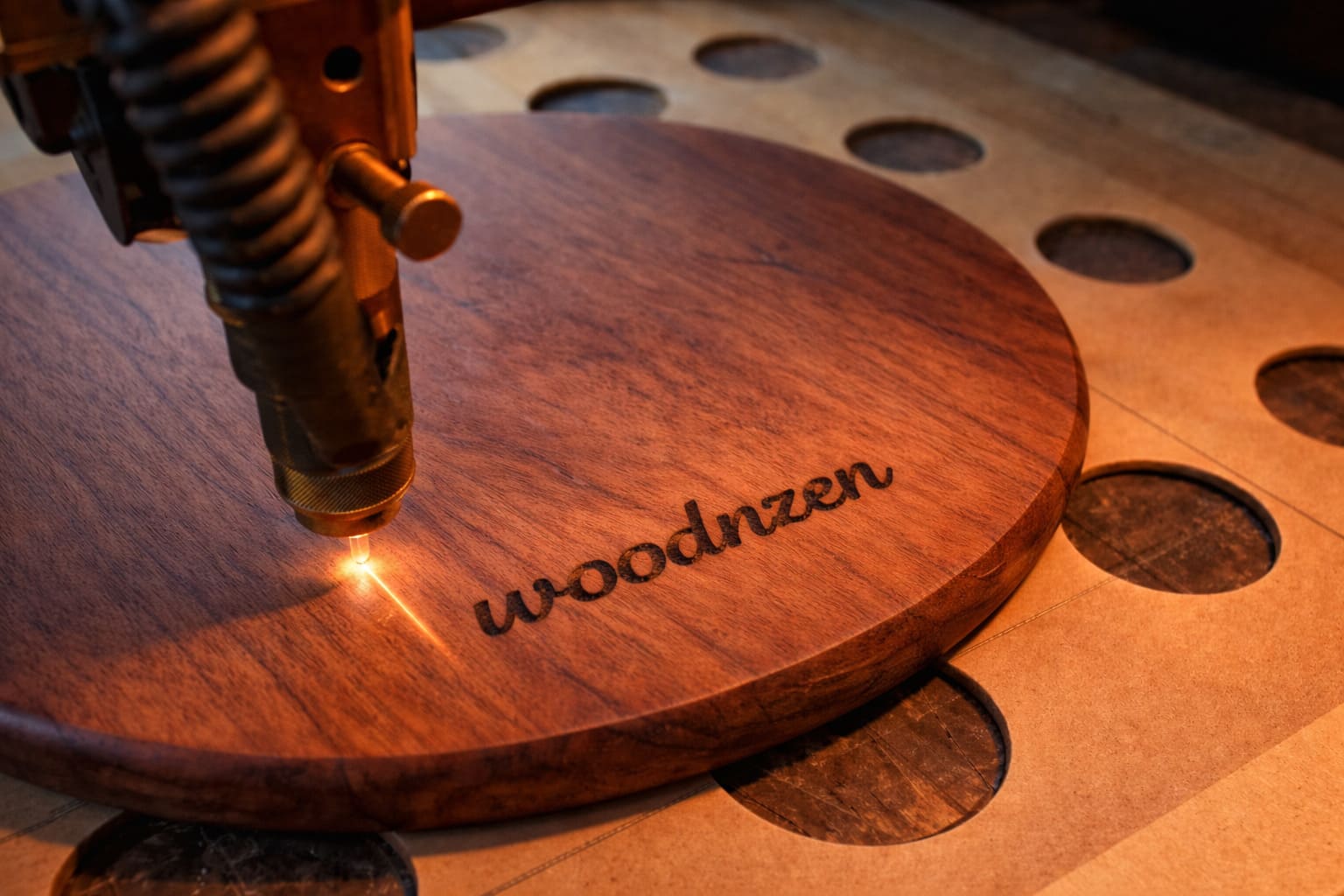
As consumers are now preferring to buy products that align with a brand’s visual identity like specific finishes, engravings, shapes, packaging or private labelling therefore an exporter’s ability to customise accordingly is a significant factor.
While discussing customisation with the exporter, the retailers must also ask about their minimum order quantities (MOQs). If a wooden kitchenware exporter sets a very high MOQs to justify their manufacturing and logistic costs, then this becomes unviable for the smaller retailers or those who want to test a new product category. A more flexible exporter should be willing to provide lower MOQs for the first order.
The retailers must also assess the lead times for their customised orders as against catalogued products because an exporter who cannot give clear timelines is likely to affect the inventory management of the retailer.
Experience In Communication and Export Logistics
Despite having an excellent product range, a wooden kitchenware exporter can become a liability if its communication is unreliable. Retailers must assess that how quickly and clearly their exporter responds to their queries, as this reflects that how the exporter will behave when there could be a problem during shipment.
As experience matters when handling export logistics, therefore the retailers must ensure that the exporter is able to handle different documentations like FSC certification, certificates of origin, phytosanitary certificates and correct commercial invoicing because any error in these export documentations can cause delays at the customs.
The retailers must also ask their prospective exporter whether it has experience of shipping to their specific region and whether it works with the established freight forwarding companies. Further, it will be convenient for the retailers to deal with an exporter who is willing to comply with the retailer’s preferred shipping arrangements.
Ethical Manufacturing and Labour Practices
A responsible retailer will always look at the conditions under which the product is made. The retailers who are sourcing from the foreign based wooden kitchenware exporter should also consider that whether the exporter’s factory follows fair labour practices, provides safe working conditions and also complies with the local labour laws.
That is why some of the retailers are now asking for the audits or third-party certifications such as SA8000 or BSCI before dealing with a new exporter. The retailers can ask direct questions about workforce conditions during a factory visit or during a video call.
Final Thoughts
So, selecting a right wooden kitchenware exporter is not just a procurement exercise but a strategic decision for the retailers. The best partnerships between the retailers and exporters are built on the transparency in communication, verified quality, regulatory awareness of the exporter and their shared accountability. Those retailers who invest their time on these aspects are able to build more stable supply chains for themselves, encounter fewer quality issues and also earn a stronger trust of their customers over the period of time.
Also Read: From Forest to Finish: What Responsible Wood Sourcing Really Means in 2026