Why Indian Handcrafted Wood Is Back on Global Shelves — And This Time, It’s Different
Whether you walk into a design store in Berlin, a lifestyle boutique in Tokyo, or a concept kitchen showroom in New York, you may notice something familiar like a set of wooden bowls with refined grain variations, hand-finished chopping boards, and decor pieces that look silently confident rather than mass-produced. Indian handcrafted wood has returned to global shelves. Today, every serious wooden home decor and kitchenware exporter knows that this comeback is rooted in structural changes and not sentiment.
This time, Indian woodcraft is speaking the language of modern supply chains while still whispering centuries-old craftsmanship.
From Craft Clusters to Global Compliance
Historically, Indian wooden handicrafts were admired but were difficult to scale. Their inconsistent dimensions, irregular finishing, and unclear sourcing made international buyers cautious. Now this gap has narrowed significantly.
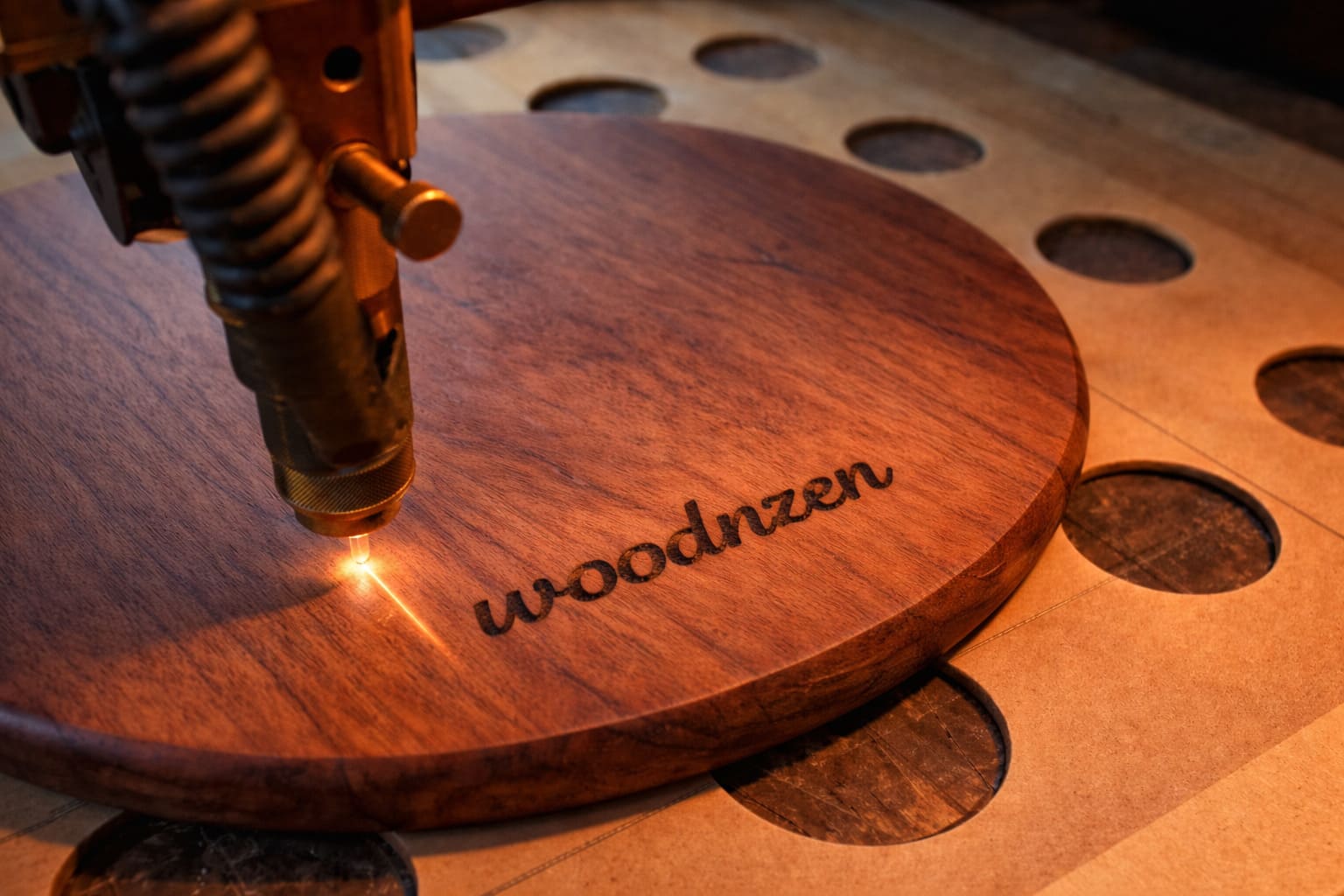
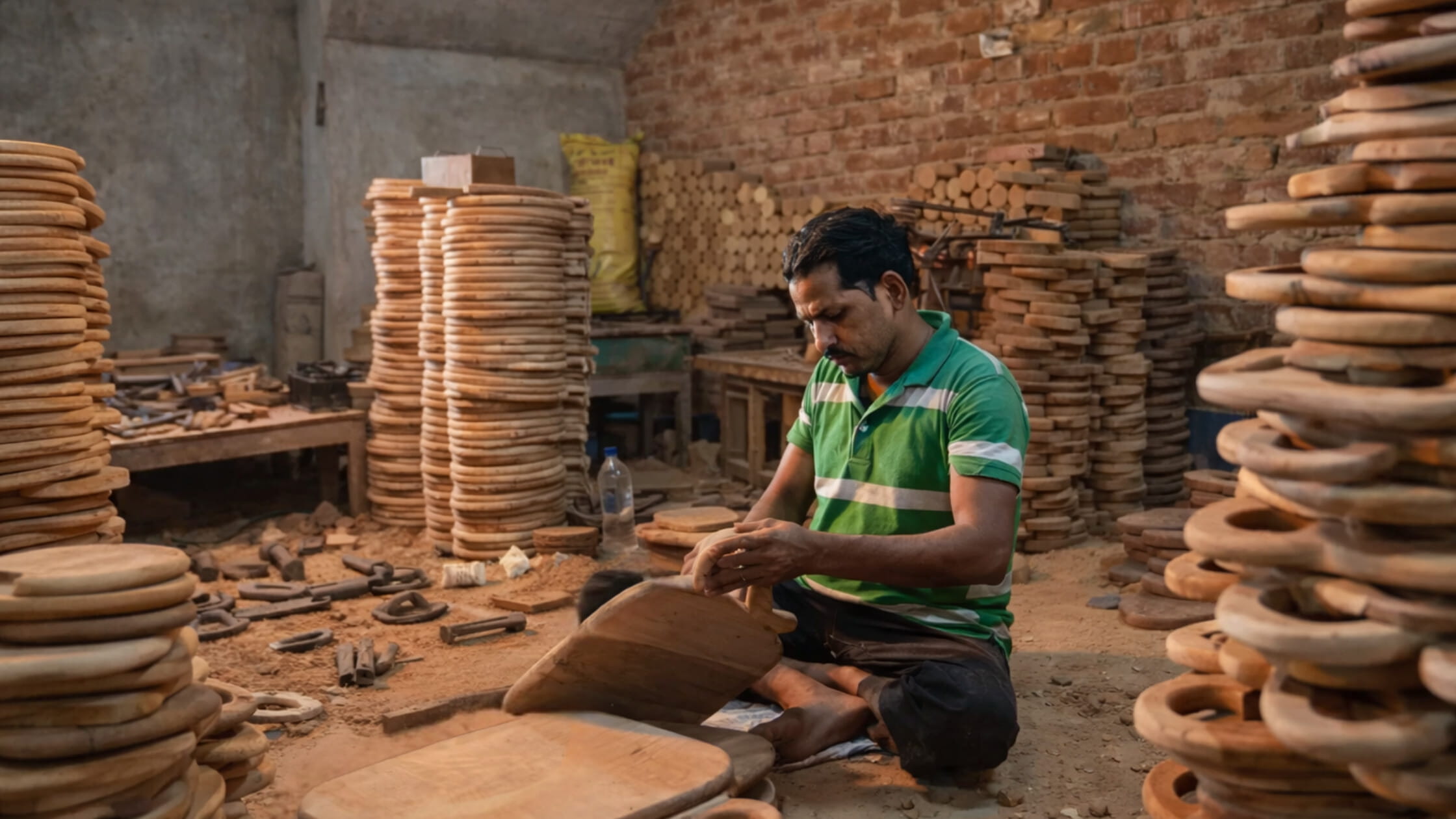
Modern Indian exporters are now operating from their organised craft clusters where artisans work alongside quality supervisors, moisture-control units, and standardised tooling. Kiln drying, calibrated cutting, and food-safe finishing are no longer exceptions, they are the baseline expectations. For an Indian Wooden Home Decor and Kitchenware Exporter, export readiness today means aligning traditional skills with FSC certification (a globally recognized standard that ensures the wood used in a product comes from responsibly managed forests), following ISPM-15 heat-treatment rules (basically giving wood a spa session), FDA food-contact norms, EU compliance requirements and then matching every country’s import rules.
The result is the craft that travels across, literally and commercially.
Heritage Skills, Engineered for Consistency
Indian woodcraft has always excelled in hand skills like exquisite carving, turning, sanding, and finishing. What has changed now is how these skills are structured.
Instead of one artisan completing an entire product, exporters are now following modular workflows wherein one artisan specialises in shaping, another in surface finishing and another in oil application. This modular workflow preserves hand involvement while improving the product’s consistency, an essential requirement for India’s wooden home decor and kitchenware exporter supplying their repeat orders to international buyers.
This way, the product still feels handmade, but it behaves predictably in bulk shipments. That distinction matters.
Science Quietly Replaced Guesswork
One of the major shifts in Indian wooden exports is the role of material science. Wood’s moisture content, its grain orientation, and density of wood are now measured and not assumed.
Exporters are increasingly using controlled seasoning methods to reduce cracking and warping during long-distance shipping. Natural oils in wood are being tested for food safety, oxidation resistance, and shelf life. This scientific approach allows a wooden home decor and kitchenware exporter to confidently supply wooden kitchenware that meets hygiene standards without relying on chemical coatings.
In short, the romance of wood is now backed by data.
Sustainability Is No Longer a Marketing Word
Global buyers have become deeply sceptical of vague sustainability claims. Indian exporters have responded by tightening sourcing practices.
Hardwoods grown in plantations, traceable supply chains, and responsible harvesting documentation (FSC certification) are becoming standard. Some exporters collaborate directly with forestry boards or agroforestry programs, ensuring long-term wood availability. For a wooden home decor and kitchenware exporter, sustainability today is less about storytelling and more about paperwork, audits, and verifiable practices.
Ironically, this discipline has made Indian handcrafted wood more credible than many machine-made alternatives.
Design Has Shifted from Ornate to Intentional
Earlier export cycles favoured heavily carved and decorative designs. Today’s global consumers prefer restraint. Clean silhouettes, functional forms, and subtle grain expression are dominating the international catalogues.
Indian artisans have adapted to this change quickly. Traditional turning techniques are now producing minimalist bowls and modern serving trays. This evolution is appealing to Scandinavian, Japanese, and contemporary American aesthetics without losing cultural authenticity.
The craftsmanship has edited itself.
Logistics Literacy Changed the Game
Another reason why Indian handcrafted wood struggled earlier was logistics. Fragile items, inconsistent packaging, and shipping losses discouraged the buyers.
Today, India’s exporters follow ISPM-15 heat-treatment rules, pallet optimisation, humidity-resistant packing, and transit testing. Products are being designed with shipping stress in mind, thicker walls where needed, reinforced edges, and standardised carton sizes. A reliable wooden home decor and kitchenware exporter now plans for the journey as carefully as for making the product.
That operational maturity has quietly rebuilt buyer’s trust.
Why This Comeback Is Built to Last
Indian handcrafted wood is not returning as a trend. It is returning as a category that has learned hard lessons. The fusion of heritage skills, modern processes, and export discipline has created a new benchmark.
Global shelves are no longer hosting Indian wooden products as curiosities. They are stocking them as dependable, compliant, and thoughtfully designed goods. For India’s wooden home decor and kitchenware exporter, this moment is less about revival and more about reinvention.
And that is why this time, it’s different.
Also read- From India, With Love: Handcrafted Legacy, Global Impact By WoodnZen