How Sustainability Became a Business Advantage and Not Just a Brand Claim
The word, sustainability was only used by the exporters as a slogan for marketing their brands but it was rarely used by them in principle. Now, with updated awareness and preferences of buyers, every serious Wooden Kitchenware Exporter has started adopting the spirit of sustainability for their business advantage that is now stimulating their productivity and helping in building their brand.
Due to multiple reasons like, growing awareness towards sustainable forestry, tighter supply chain scrutiny, and the requirement of transparency by the customers, are influencing this change and therefore, the businesses have started using sustainability rather than considering it as their expenses.
The Shift from Claim to Capability
There was a time when a Wooden Kitchenware Exporter used to showcase sustainability by just sticking labels bearing the “eco-friendly” mark and printing unverified wood sourcing claims on the products. But now the modern buyers have given up on these assurances and have started asking the difficult questions regarding sustainable forestry. Therefore, the clarity in answering these questions has now become more important.
Conscious Procurement as a Competitive Edge
At the core of this revolution lies the sensible procurement. It goes beyond just selecting the raw materials based on cost or availability. Instead, it is now involving decisions regarding the sourcing of raw material while considering the environmental impact, traceability and long-term resource viability.
With compliant sourcing of wood, a Wooden Kitchenware Exporter faces fewer disruptions in the markets that follow stricter regulations and also builds its credibility, leading to a stronger partnership with international buyers.
Tree-Per-Order Models: From Cost Center to Value Driver
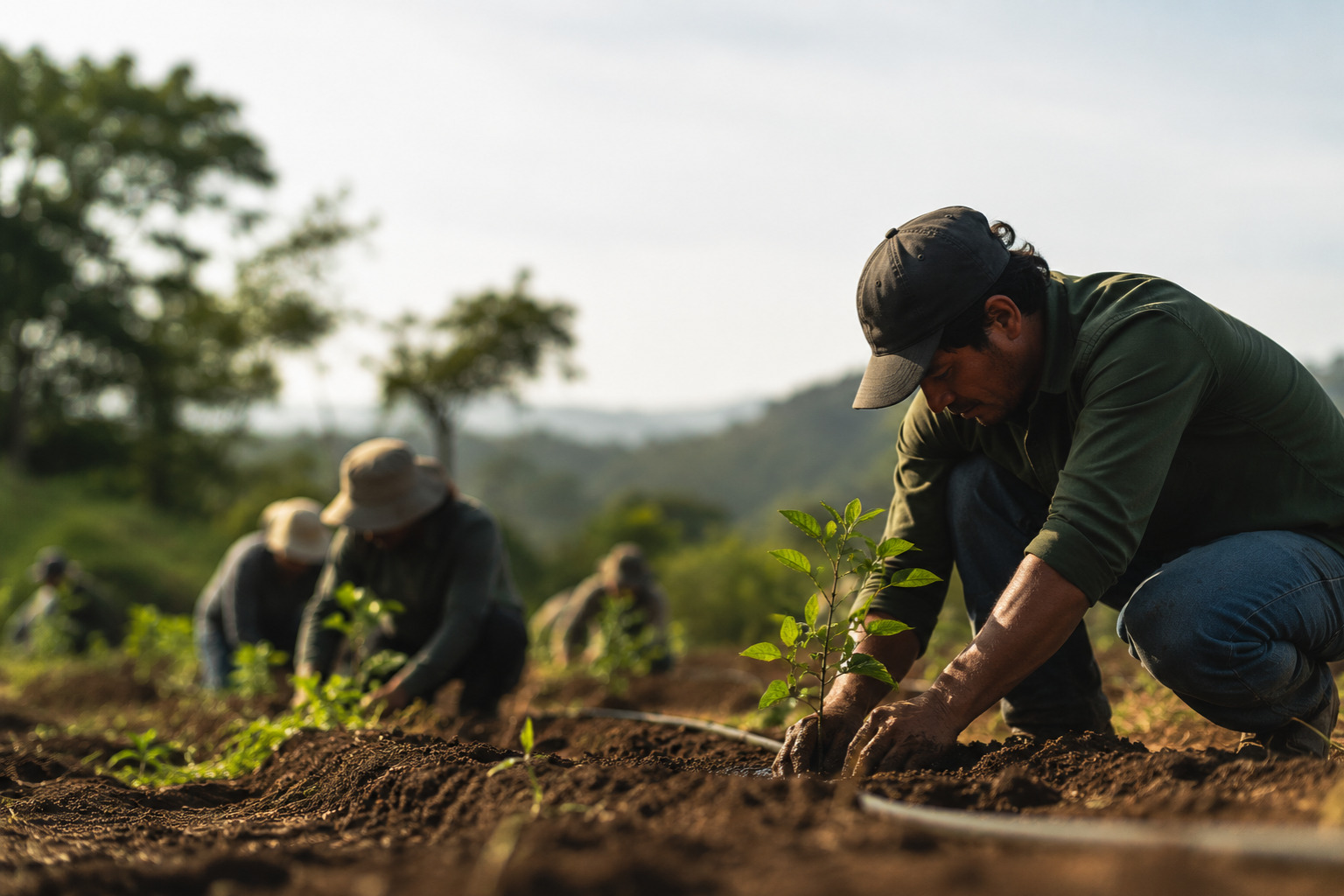
One of the most important shift in sustainable practices is now the adoption of tree-per-order or tree-planting initiatives. Initially, this was thought as an added cost but now these programs are turning into a powerful value driver.
This well-structured tree-per-order model works on a simple principle of planting or sponsoring a tree for every fulfilled order.
Importantly, tree-per-order models also contributes to a long-term resource regeneration. With investment in reforestation, a Wooden Kitchenware Exporter is not only securing its future raw material requirements but also reinforcing their environmental responsibility.
Changing Buyer Expectations in Global Markets
Since the modern buyer is now better informed, data-driven, and selective, so sustainability has become a baseline requirement. This is particularly important for the export markets where the compliance frameworks like EU compliance and certifications like FSC certification are in force.
Even some of the large importers and retail chains are now including the sustainability clauses in their contracts and any failure on the part of an exporter in meeting them can result in a lost opportunity for that exporter.
So now, a Wooden Kitchenware Exporter has to adapt to these expectations as they are essential for the market access and to remain competitive.
Operational Efficiency Through Sustainable Practices
Contrary to the earlier assumptions of the exporters, sustainability did not increase their operational costs, instead it increased their efficiency and improved their margins while maintaining their responsibility towards the environment. For a Wooden Kitchenware Exporter, this cost optimisation and sustainability creates a strong foundation for long-term growth.
Additionally, these sustainable practices are encouraging innovation too. Whether it is in designing the products with a minimal waste or exploring alternative finishes and treatments, so this pursuit for sustainability is pushing the businesses toward smarter solutions.
Building Long-Term Brand Equity
A Wooden Kitchenware Exporter that consistently follows the responsible practices and gains trust of its customers through transparency, builds its brand equity and loyal customers. This also helps it to stand out in a competitive market because the competitors may match its pricing or product design, but cannot match its commitment towards the genuine sustainability.
Also, the exporters that follow the environmental and social priorities are better positioned to adapt to regulatory changes, market shifts, and evolving consumer expectations.
The Future: Sustainability as Standard Practice
In the coming days, sustainability will continue to progress from just being a competitive advantage to a standard expectation. The distinction will not lie in whether a business is sustainable, but in how effectively it implements and communicates its practices to the customers.
So for success in business, a Wooden Kitchenware Exporter will have to treat sustainability as an integral part of their strategy.